
Watershed Protection
Washington College is committed to recharging its soils with rainwater to promote the health of the Chesapeake Bay watershed.
A Model Waterfront Campus
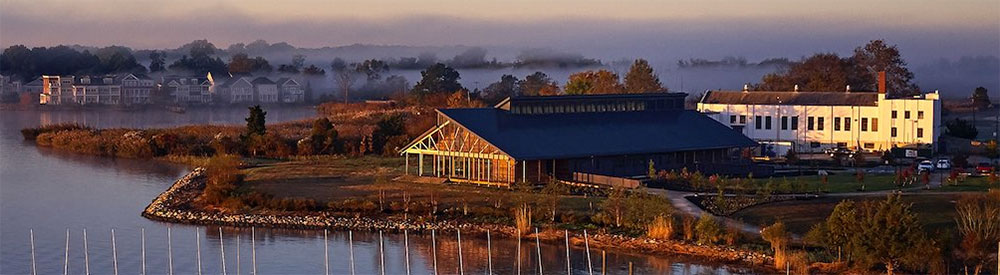
In a flagship demonstration of our ecological commitment, at Semans-Griswold Environmental Hall, a loose stone parking lot and drive slows rainwater till it soaks into a native meadow overlooking the Chester River. Footpaths use a pervious product produced by Stanchills, and two bio-retention ponds provide overflow support during heavy rain events.
The College on the Hill
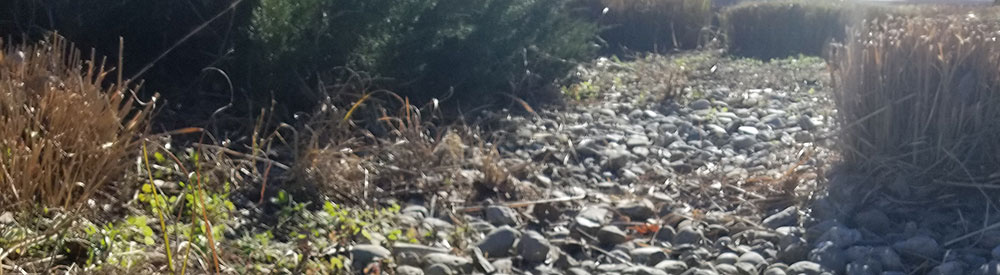
Washington's main campus is at one of the highest elevation points in Chestertown, we have a number of water catchment features that model the permaculture practice of slowing and sinking water as high on landscape as possible.
For an eye-opening walk around campus, see if you can find these examples of stormwater management features:
- Two student-designed rain gardens at the Bay-Wise Certified Campus Garden
- Rain garden by baseball field to control sidewalk flooding and run-off
- Three mini bioretention ponds at North Commons parking lots
- Retention pond behind the Johnson Fitness Center
- Retention pond by the Morgnec Road entrance
- Two bio-retention ponds at Cromwell Hall
- Permeable pavers at turn-around between Chester and Corsica Halls
- Permeable parking lot behind the Rose O'Neill Literary House
Community Collaboration
In a partnership with ShoreRivers' Chester Riverkeeper Program, our campus has installed four mini-bioretention practices to reduce runoff into Radcliffe Creek, a tributary of the Chester River. We plan to continue partnering on more regenerative stormwater conveyances, attractive native plantings, and signage. ShoreRivers is helping us improve water quality, habitat, and aesthetics while also providing educational opportunities for our student body and campus visitors.
Toward a Biodiverse Landscape
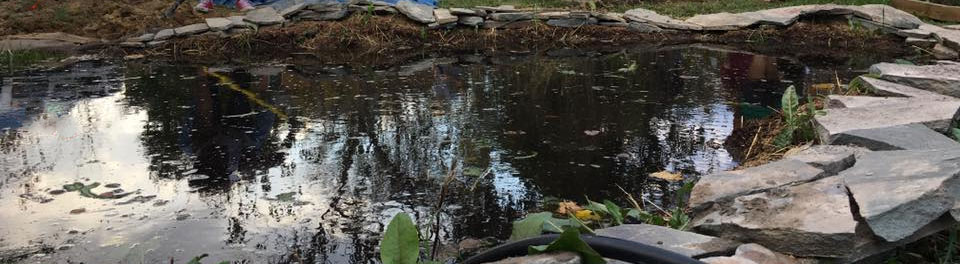
While we've started with the most impactful projects to reduce water and nutrient runoff, we see more opportunities to champion ecological stewardship. We're turning mowed turf into meadow plantings in prominent areas around campus to increase water infiltration, pollinator habitat, and decrease our carbon footprint. Students are promoting organics recycling through composting at the Campus Garden, which also increases the water-holding capacity of our campus soils during rainstorms.
From the baseball field border to pocket gardens sprinkled around prominent campus pathways, we are integrating beautiful native plants in support of our arboretum and an ongoing commitment to our Tree Campus High Education certification.
Our Grounds team is committed to removing invasive plant species and increasing the number of native plant species represented to promote water catchment and wildlife habitat. Their effort is underscored by the Washington College Natural Lands Project and the research of ethnobotanical uses of indigenous plants by anthropology faculty.