
Project and Site History
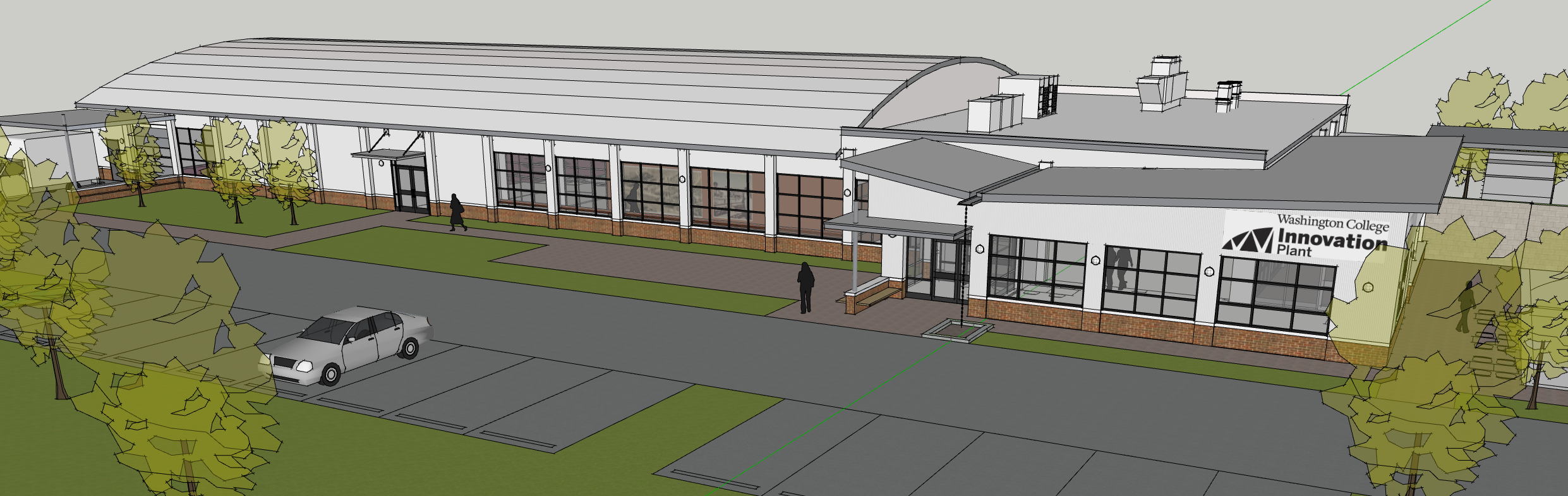
Situated at the heart of an 11-acre, industrial-zoned property gifted to the College in 2020, the Innovation Plant is being developed within a 16,000-square-foot building that served as a warehouse for the Vita Foods and Dixon Valve plants that formerly operated on the 800 High Street property.
A Legacy of Economic Importance
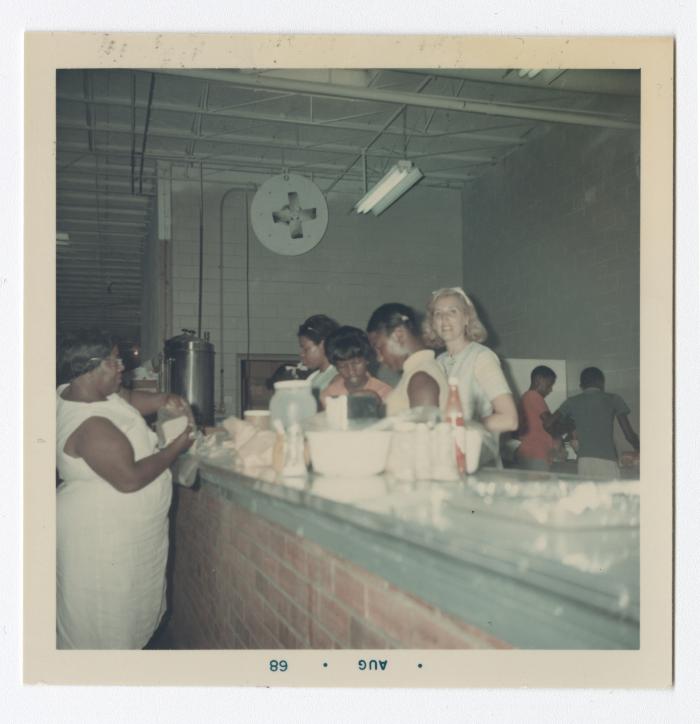 While the 800 High Street site has been transformed repeatedly over the past 120 years,
it has consistently been a space of industry and diverse employment. In the early
1900s, the property hosted several small and mid-sized industrial operations including
canning, food processing, woodworking, and ice making. Between 1940 and 1973, a kosher
food company known as Vita Foods—founded by Jewish emigres from Austria—employed upwards
of 1,000 workers at a time, the majority of which were African American women who
ran the facility’s pickle, fish, and onion lines.
While the 800 High Street site has been transformed repeatedly over the past 120 years,
it has consistently been a space of industry and diverse employment. In the early
1900s, the property hosted several small and mid-sized industrial operations including
canning, food processing, woodworking, and ice making. Between 1940 and 1973, a kosher
food company known as Vita Foods—founded by Jewish emigres from Austria—employed upwards
of 1,000 workers at a time, the majority of which were African American women who
ran the facility’s pickle, fish, and onion lines.
After Vita Foods closed in 1973, Dixon Valve moved into the site in 1976. Founded in 1916, Dixon was, and continues to be, a family-run business focused on the design and production of highly-specified valves and couplings. Founded by Howard W. Goodall, an ambitious shopfloor worker whose inventiveness was dismissed by his previous supervisors, Dixon’s mission placed emphasis on innovative design and leadership “at all levels” of the company. Fittingly, the company has created more than a dozen patented designs and 20 trademarked products over the decades.
Growth and Change
By 2020, Dixon had outgrown its headquarters. While it chose to remain in Chestertown—building a new 310,000 square-foot facility across town—it gifted the 800 High Street property to Washington College with hopes of future collaboration.
The redevelopment of 800 High Street will ensure the tradition of industry and innovation continue, retooled to the demands of the twenty-first century.
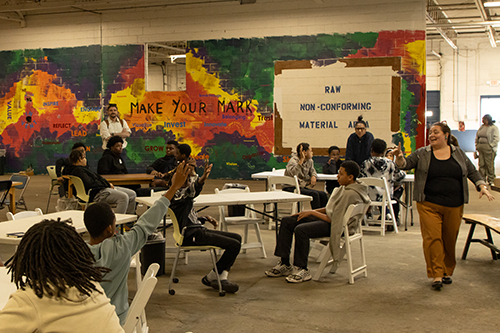 After three years of community-centered planning efforts—engaging well over a thousand
stakeholders in surveys, interviews, focus groups, and workshops—the mandate was clear:
the Innovation Plant is urgently needed, but it must be more than a fancy glass building.
Rather, it must represent a deeply rooted and collaborative network of institutions,
educators, government leaders, and economic development professionals committed to
inclusive skilled trades training and entrepreneur empowerment for nearby rural communities.
After three years of community-centered planning efforts—engaging well over a thousand
stakeholders in surveys, interviews, focus groups, and workshops—the mandate was clear:
the Innovation Plant is urgently needed, but it must be more than a fancy glass building.
Rather, it must represent a deeply rooted and collaborative network of institutions,
educators, government leaders, and economic development professionals committed to
inclusive skilled trades training and entrepreneur empowerment for nearby rural communities.
To capitalize on current momentum, our team is pursuing a two-fold strategy. On one hand, we are moving the construction process forward with all deliberate speed. At the same time, we will continue to engage educational, economic development, and community partners to develop high-impact programs now, ensuring that when the Innovation Plant opens its doors, it is immediately filled with a vibrant network of partners and users who already feel a sense of belonging in the space.