Maryland Day!

Maryland Day and Historic St. Mary’s City.
Early in the month of March 1634, two little English ships entered the Potomac River after an unexpectedly long journey across the Atlantic. The Ark, a 400-ton capacity cargo ship hired by Cecil Calvert to transport about 140 colonists to the new Palatinate of Maryland, was accompanied by the much smaller Dove, a 40-ton vessel bought by Calvert which would remain behind with the colonists once the Ark returned to England.
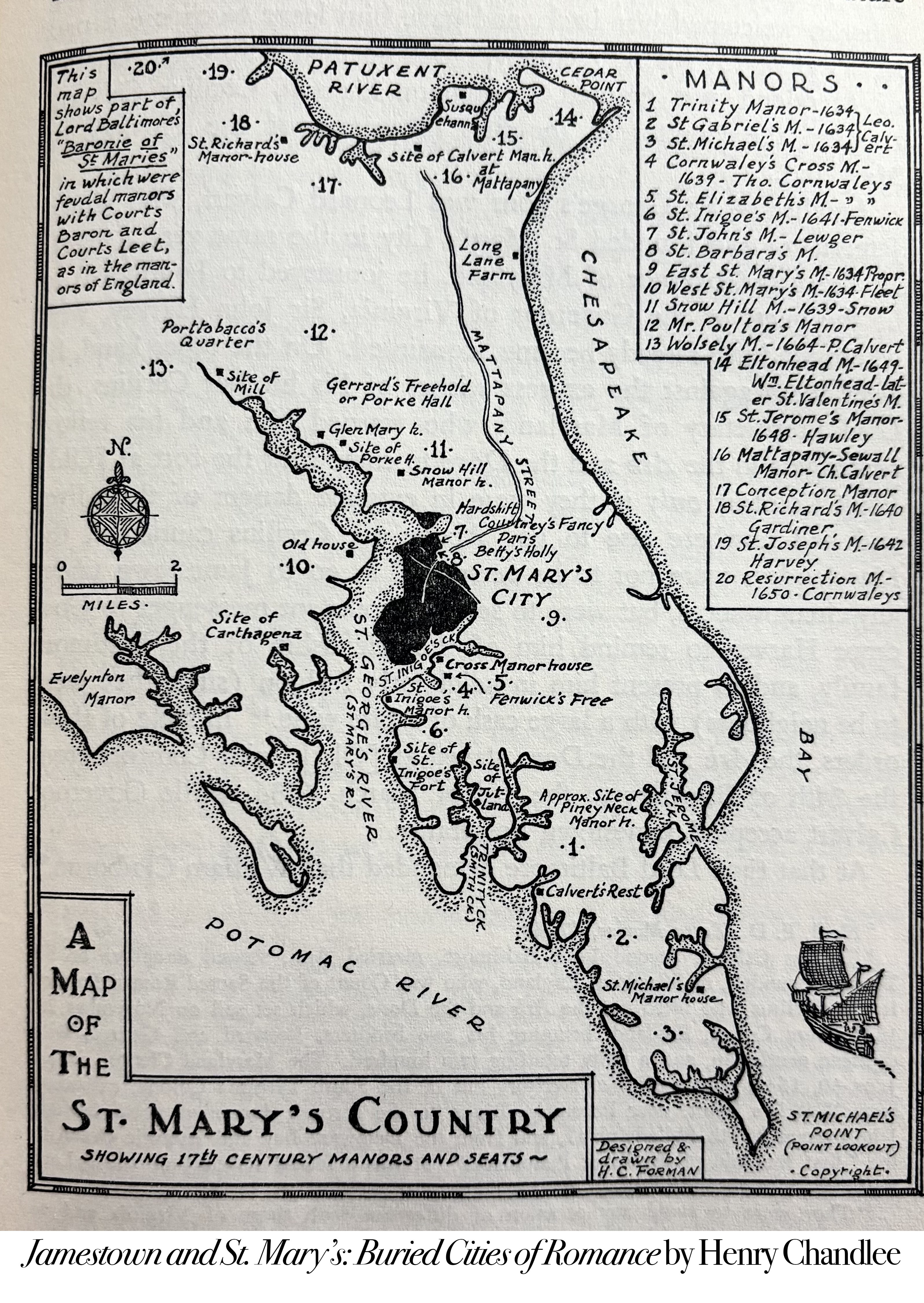 The group had sailed from the Isle of Wight on November 22, 1633, but were soon separated
in the midst of a storm on the English Channel. The Dove was last seen on November 25, with distress lanterns hanging from her mast, and was
feared to be lost. Six weeks later, the Ark was at rest in Barbados to replenish
its supplies for the remainder of the journey. Its crew and passengers were pleasantly
surprised to learn that their companion ship had not sunk during the storm, as the
Dove arrived to join them. After another 6-week journey north, the Ark and the Dove
made their next stop at Old Point Comfort at the mouth of the James River, a regular
‘rest stop' and quarantine location for new arrivals in the Chesapeake region. A
week later, they headed north again and entered the Potomac River, landing on St.
Clement's Island (then known as Blackistone's Island.) While here, they explored the
area and met and negotiated with local indigenous tribes to determine a permissible
settlement location. It was here on St. Clement's Island that on March 25, 1634,
Father Andrew White held Mass and a Feast of Thanksgiving to celebrate the acquisition
of 30 square miles on the eastern bank of what is now the St. Mary's River. This
site became St. Mary's City, the first permanent settlement in the Palatinate of Maryland,
the fourth oldest permanent English settlement in North America, and Maryland's first
city. It would be Maryland's colonial capital for 61 years.
The group had sailed from the Isle of Wight on November 22, 1633, but were soon separated
in the midst of a storm on the English Channel. The Dove was last seen on November 25, with distress lanterns hanging from her mast, and was
feared to be lost. Six weeks later, the Ark was at rest in Barbados to replenish
its supplies for the remainder of the journey. Its crew and passengers were pleasantly
surprised to learn that their companion ship had not sunk during the storm, as the
Dove arrived to join them. After another 6-week journey north, the Ark and the Dove
made their next stop at Old Point Comfort at the mouth of the James River, a regular
‘rest stop' and quarantine location for new arrivals in the Chesapeake region. A
week later, they headed north again and entered the Potomac River, landing on St.
Clement's Island (then known as Blackistone's Island.) While here, they explored the
area and met and negotiated with local indigenous tribes to determine a permissible
settlement location. It was here on St. Clement's Island that on March 25, 1634,
Father Andrew White held Mass and a Feast of Thanksgiving to celebrate the acquisition
of 30 square miles on the eastern bank of what is now the St. Mary's River. This
site became St. Mary's City, the first permanent settlement in the Palatinate of Maryland,
the fourth oldest permanent English settlement in North America, and Maryland's first
city. It would be Maryland's colonial capital for 61 years.
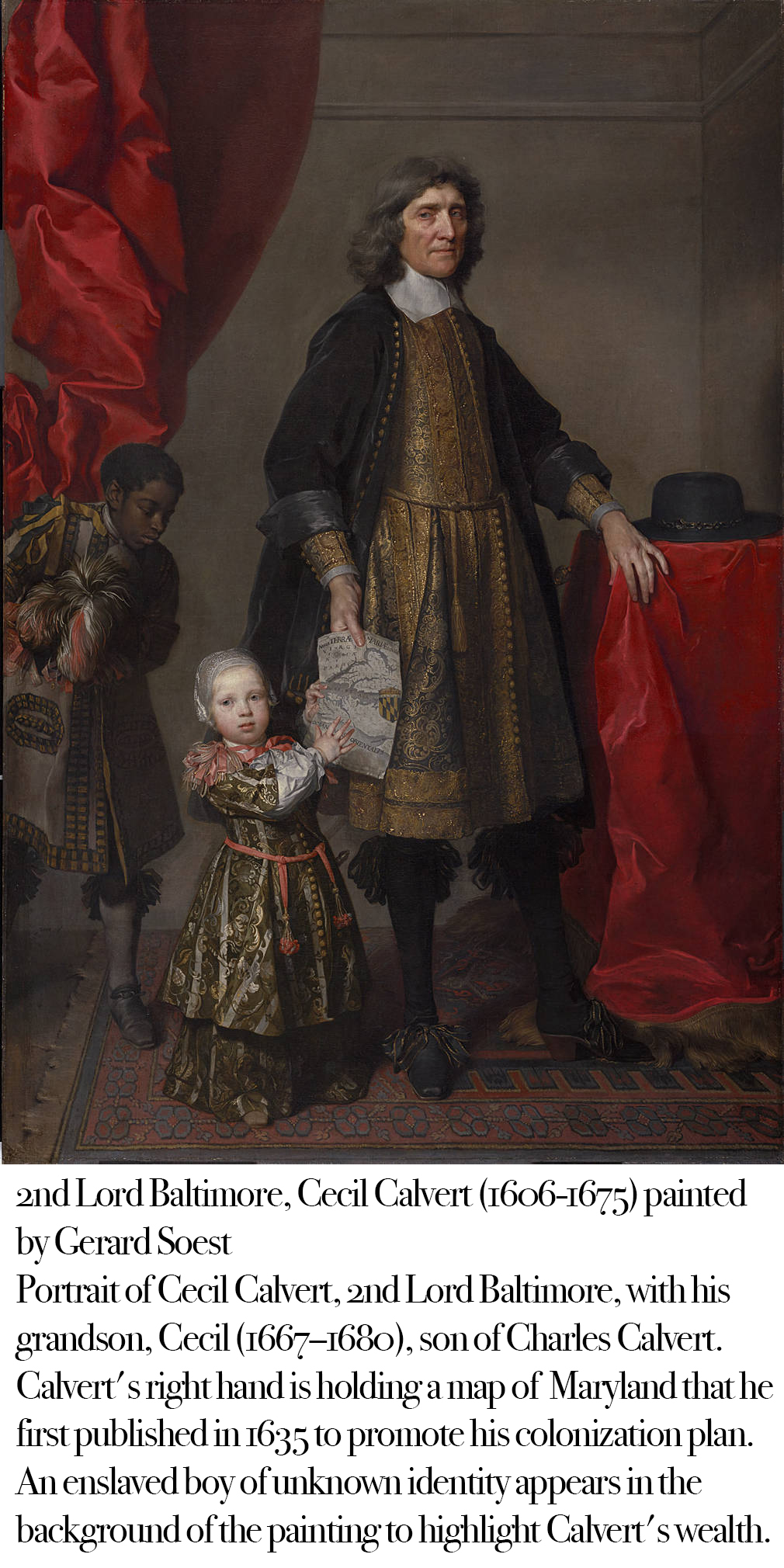 Cecil Calvert, the 2nd Baron Baltimore, had inherited the proprietorship of Maryland, part of several land
grants that had been given to his late father George Calvert by King Charles I. Cecil
began his oversight of these colonies at the age of 27, from his country home of Kiplin Hall in North Yorkshire, a location very familiar to Washington College students and faculty
who have made pilgrimages to the Lake District for many years. It was his intention,
as it had been his father George's, to establish a province to serve as a refuge for
Roman Catholics amid the religious conflicts that had plagued England and other European
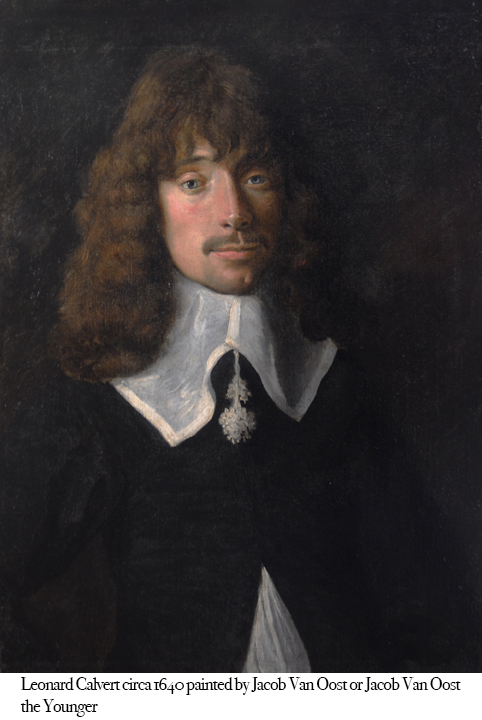
countries. Cecil Calvert, however, never traveled to Maryland himself. Instead,
he sent his younger brother Leonard in his place, while he stayed in England to deal
with political issues relating to the Virginia Company, who were not at all eager
for a competing enterprise to be established so close to theirs. William Claiborne
of Virginia already had a successful trading community across the Bay in Kent Island,
which was considered part of Virginia at the time…but that's an exciting story that
we might have to revisit later.
Cecil Calvert, the 2nd Baron Baltimore, had inherited the proprietorship of Maryland, part of several land
grants that had been given to his late father George Calvert by King Charles I. Cecil
began his oversight of these colonies at the age of 27, from his country home of Kiplin Hall in North Yorkshire, a location very familiar to Washington College students and faculty
who have made pilgrimages to the Lake District for many years. It was his intention,
as it had been his father George's, to establish a province to serve as a refuge for
Roman Catholics amid the religious conflicts that had plagued England and other European
countries. Cecil Calvert, however, never traveled to Maryland himself. Instead,
he sent his younger brother Leonard in his place, while he stayed in England to deal
with political issues relating to the Virginia Company, who were not at all eager
for a competing enterprise to be established so close to theirs. William Claiborne
of Virginia already had a successful trading community across the Bay in Kent Island,
which was considered part of Virginia at the time…but that's an exciting story that
we might have to revisit later.
 In 1903, in an effort to encourage celebration and study of Maryland's unique history
in its public schools, Maryland educators chose March 25, the anniversary of Father
Andrew White's Feast of Thanksgiving, as the date for the newly established Maryland
Day holiday. This year, Maryland Day will be recognized throughout Annapolis and
Anne Arundel County with a week-long calendar of events from March 19-25, including
historic home tours, waterfront activities, museum and gallery events, and public
archaeology workshops. https://marylandday.org
In 1903, in an effort to encourage celebration and study of Maryland's unique history
in its public schools, Maryland educators chose March 25, the anniversary of Father
Andrew White's Feast of Thanksgiving, as the date for the newly established Maryland
Day holiday. This year, Maryland Day will be recognized throughout Annapolis and
Anne Arundel County with a week-long calendar of events from March 19-25, including
historic home tours, waterfront activities, museum and gallery events, and public
archaeology workshops. https://marylandday.org
Historic St. Mary's City is located on the western shore of the Chesapeake Bay and is preserved and protected as an outdoor living history museum and active archaeological site. It is just a 2.5-hour drive from Chestertown, an easy destination for a day trip. You can visit the HSMC website here https://www.hsmcdigshistory.org/ to learn more about the history and archaeology of the site, programs offered, and details about how you can visit.
In addition, many books on St. Mary's City and other early settlements in the Chesapeake region are available in the library's Maryland Collection and our Main Collection.